In this blog you can find best posts about different routines things like Health & Fitness, Work from Home,Knowledge, Current Affairs,Computer & other

In this blog you can find best posts about different routines things like Health and Fitness, Work from Home, Informative Knowledge, Current Affairs, E-business & E-marketing, Computer/Internet, Technology, Travel, Business, Arts & Entertainment, Gaming, Home & Garden, Cooking Food & wine, & Others. Blurz Articals is the ultimate authority on optimizing every aspect of your life. Do everything & write about everything which give well knowledge to all our viewers.

Breaking

Monday, May 19, 2025

6:41 PM

The Ultimate Guide to Choosing a Body Spray

 Body spray is a daily essential for many, offering a quick refresh and a confidence boost with its delightful scent. But with countless options on the shelf, finding the perfect body spray can feel overwhelming. Fear not, fragrance friends! This guide will be your compass, navigating you through the world of body sprays and helping you discover your signature scent.

Part 1: Knowing Your Fragrance Family

  • Decoding Fragrance Notes: We’ll unveil the secrets of fragrance notes – top, middle, and base – and how they work together to create a unique scent profile.
  • Exploring Fragrance Families: Dive into the world of fragrance families like fresh, floral, oriental, woody, and more. Learn the characteristics of each family and identify scents that resonate with your personal preference.
  • Aromas for Every Mood: We’ll explore how specific scents can influence your mood and emotions.

Part 2: Finding Your Ideal Match: Considerations for Choosing a Body Spray

  • Lifestyle & Activity Level: Consider your daily routine. Do you need a long-lasting scent for an active lifestyle, or a calming fragrance for relaxation?
  • Seasonality: Explore how scents can complement different seasons. Fresh citrusy notes might be ideal for summer, while warm vanilla or musky scents work well for fall and winter.
  • Occasion: A light and refreshing body spray might be perfect for the gym, while a more sophisticated scent could elevate your evening attire.
  • Body Chemistry: Learn how your unique body chemistry can affect how a fragrance smells on you. Tips for testing and finding scents that complement your natural scent.

Part 3: Beyond the Bottle: Application Tips and Tricks

  • The Art of Application: Learn proper body spray application techniques to maximize fragrance longevity and avoid overpowering others.
  • Layering for Lasting Scent: Discover how to layer your body spray with complementary lotions or fragrances for an even more captivating scent experience.
  • Making it Last: We’ll share hacks to extend the life of your body spray throughout the day.

Part 4: Bonus Section: Addressing Common Concerns

  • Sensitive Skin Savvy: Explore fragrance-free and hypoallergenic body spray options for those with sensitive skin.
  • Decoding Body Spray Ingredients: Discuss common body spray ingredients and address any concerns you might have.
  • Sustainable Scents: Highlight eco-friendly body spray brands that use natural ingredients and sustainable practices.

Conclusion:

With this comprehensive guide, you’ll be well-equipped to navigate the world of body sprays and discover a scent that reflects your personality and elevates your daily routine. Remember, fragrance is a personal journey – have fun experimenting and finding your perfect match!

ARTICLE SOURCE:  the-ultimate-guide-to-choosing-a-body-spray/


Friday, May 16, 2025

7:30 PM

Climate Countdown: The Hidden Link Between Ozone and Earth’s Rising Heat


                “Naturespeaks”

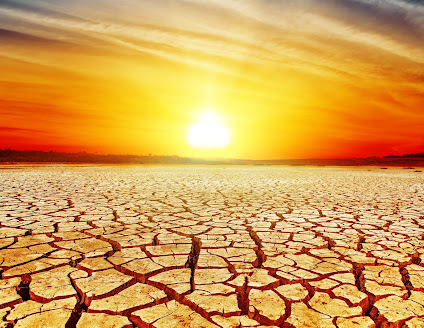
We all know that our planet Earth revolves around the sun. Our planet is very close to the sun, due to which there is a lot of heat on Earth, and this heat is increasing day by day.
It comes as no surprise to anyone that sweated through it:2023 was the hottest year in Human history.
 As we are seeing that this year 2024 will also be very hot, and it may continue to increase. Global warming is also increasing due to the heat on Earth. Large glaciers are melting, and the water level is rising in the oceans.

Now let’s talk about the reason for all this.

Let us first know about the Earth’s atmosphere~

The cover of air around us is known as the atmosphere. The atmosphere covers the Earth like a blanket.  Our atmosphere consists of various layers or zones above the ground. The composition of air and gases is different in each layer or zone.
These are the four layers or zones of the atmosphere. 

1. Troposphere [up to 8-16 km above the ground]
2. Stratosphere[upto 16-50 km above the ground]
3. Mesosphere[upto 50-100 km above the ground]
4. Thermometer[upto 100-500 km above theground]

The existence of life on this planet is only possible due to the presence of an atmosphere. There are many important roles played by the atmosphere on Earth, but we’ll discuss the role of the atmosphere in climate control.

Climate is the long-term pattern of weather in a particular area. This includes rainfall, temperature, snowfall, or any other weather condition. We usually define a region’s climate over a period of 30 years.
Temperature is the major factor that controls the climate on Earth. Our atmosphere maintains a life-supporting range of temperature. Because air is a bad conductor of heat, the atmosphere maintains an average steady temperature on the Earth.
The atmosphere forms a thick layer of gases over the Earth’s surface. Gases like Carbon dioxide allow heat of sunlight to enter the Earth’s atmosphere but do not allow their escape. This effect is known as the Greenhouse effect.
The excessive rise in temperature of the Earth during the day and the sudden fall in temperature at night are controlled by the atmosphere. During the day daytime it absorbs the heat of the sun and helps in reflecting of excessive heat. As a result, the average temperature of Earth remains satisfactorily steady during the day and night throughout the year.

The biggest reason for the increase in temperature, the melting of large glaciers, andthe  increase in water level of oceans is the thinning of the ozone layer.

The Ozone layer, or Ozone shield, is a region of  Earth’s Stratosphere.
The air contains oxygen mainly as a diatomic molecule(O2). But the upper layer of the atmosphere contains oxygen in the form of of triatomic molecule (O3).
Ozone is formed when harmful ultraviolet rays split the O2 molecule into O. This free oxygen atom is highly reactive and reacts with another O2 molecule and forms an Ozone (O3) molecule.
The Ozone forms a continuous layer in the upper atmosphere.  This layer absorbs harmful ultraviolet rays of sunlight and prevents them from reaching the Earth’s surface.
Due to an increase in air pollution, many human activities and the use of certain chemicals are depleting the Ozone layer is being depleting. The pollutants released into the air are one of the causes of the depletion of the ozone layer. Another major cause of depletion of the ozone layer is Chloro-Fluoro-Carbons[CFCs]. In some parts, small holes have been noted in this layer
The hole formation in the ozone layer can be very dangerous for us. The Ozone hole was first discovered in May 1985 over Antarctica.
In 2024, this hole still exists.  The annual Antarctic Ozone Hole reached an area of 26 Million Square kilometers in size, roughly three times the size of Brazil.
During the period 1956-1970, springtime ozone thickness above Antarctica varied from 280 to 325 Dobson units [1DU=1 PART PER MILLION]. The thickness was then reduced to 225 DU in 1979 and to 136 DU in 1985, and to 94 DU in 1994.
CFCs are synthetic chemicals that are used as coolants in refrigerators and air conditioners. These are also used in aerosols, in fire extinguishers, scent spray, and propellers, etc. When CFCs are sprayed into the air, they produce active Chlorine and Fluorine radicals in the ultraviolet radiation.
Through these reactions, this converts Ozone (O3) into Oxygen(O2), thereby destroying Ozone. As a result, the layer of Ozone keeps becoming thinner.
Ozone depletion is also caused due to substances such as Nitrogen Oxides, Halogens, Carbon Tetrachloride, Methyl Bromide, and many Hydrocarbons. Because of the Ozone layer hole, more ultraviolet radiation is able to reach the Earth. These radiations cause adverse effects on human beings, plants, and animals.

Some such effects are~

  • Skin cancer.
  • Reduced plant yield due to the death of seedlings.
  • Damage to the immune system.
  • Increased occurrence of harmful diseases i.e, Herpes.
  • Increased embryonic mortality rate.
  • Loss of sight in human beings and in animals. 


Thursday, April 24, 2025

9:37 PM

Is Coffee Bad for Your Kidneys?


Can Coffee Cause Kidney Damage? What the Science Says About Caffeine and Kidney Health

Ever since coffee was discovered over a millennium ago in Ethiopia, it’s sparked fascination, debate, and even controversy. From claims of spiritual overstimulation to fears of “sexual hysteria,” caffeine, the psychoactive substance in coffee, has long stirred the pot. But in today’s world, the question isn’t just philosophical. It’s personal and medical.

Let’s talk about coffee and your kidneys.

Caffeine and the Kidneys: Friend or Foe?

Caffeine is a natural stimulant found in coffee, tea, energy drinks, and even chocolate. An average 8-oz cup of coffee contains 100–200 mg of caffeine, which can affect the body in multiple ways. But does it hurt your kidneys?

When it comes to caffeine and kidney health, there’s a lot of confusion online. Many people wonder:

  • Can coffee cause kidney damage?
  • Is caffeine bad for the kidneys?
  • Does caffeine increase the risk of kidney disease?
  • Is coffee consumption linked to kidney failure?


Let’s explore what current science has to say.

Caffeine, Blood Pressure, and Kidney Disease

Studies show that caffeine can cause a temporary spike in blood pressure, especially in individuals who are not regular coffee drinkers. Increases of up to 10 mm Hg have been observed shortly after drinking coffee. This effect can be more pronounced in:

  • The elderly
  • People with hypertension (high blood pressure)
  • Individuals sensitive to stimulants

Because high blood pressure (hypertension) is a leading cause of chronic kidney disease (CKD), it would make sense to assume that coffee, by increasing blood pressure, might damage the kidneys over time. However, science paints a more nuanced picture.

What Does the Research Say?

Despite concerns about coffee and kidney damage, most studies suggest that moderate coffee consumption is not harmful to kidney health for the general population.

  • Drinking 3–4 cups of coffee per day does not increase the risk of chronic kidney disease (CKD).
  • No direct link has been established between caffeine consumption and a higher incidence of kidney failure.
  • In fact, some data suggest that coffee may offer protective effects due to its antioxidant properties.

That said, certain groups should be cautious:

  • Children and adolescents due to increased sensitive to caffeine.
  • Elderly individuals, especially those with cardiovascular issues.
  • People prone to kidney stones, as caffeine is a mild diuretic, which may contribute to dehydration if not balanced with adequate water intake.


How Is Kidney Failure Diagnosed?

To understand why these discussions matter, it’s important to know how kidney failure is diagnosed. Doctors use a combination of tests, including:

  • eGFR (estimated glomerular filtration rate) — A key measure of kidney function.
  • Urine albumin-to-creatinine ratio — To detect protein leakage, an early sign of kidney damage.
  • Blood pressure readings — Since hypertension can be both a cause and an effect of kidney disease.
  • Imaging studies and biopsies — In some cases, to confirm structural kidney issues.

If you’re concerned about your kidney health, regular check-ups and lab tests are the best way to monitor it.

Is Drinking Coffee Bad for Your Kidneys?

Here’s the bottom line:

For most healthy adults, drinking moderate amounts of coffee (3–4 cups per day) is not bad for their kidneys. In fact, current evidence does not support the idea that coffee or caffeine causes kidney disease. However, if you belong to a higher-risk group or already have high blood pressure or kidney issues, it’s worth discussing your caffeine intake with your healthcare provider

Final Takeaway: Caffeine and Kidney Health

“If you don’t fit into a high-risk category, it is probably safe to consume moderate amounts of coffee from a kidney standpoint.”

So, enjoy your morning brew — just do it mindfully. Your kidneys will thank you.

Article Source:  https://ezine-articles.com/%e2%98%95-is-coffee-bad-for-your-kidneys/

9:23 PM

How Generative AI is Shaping the Future of Data Analytics


In the last few years, we have seen big changes in how data is handled. With the rise of new technologies, one tool that’s getting a lot of attention is Generative AI. It is already changing the way businesses and experts work with data. From saving time to improving results, Generative AI is shaping the future of data analysis in exciting ways.

Let’s take a closer look at how this smart technology is making data work easier, faster, and more powerful.

What is Generative AI?

Generative AI is a type of artificial intelligence that creates new content based on patterns it learns from existing data. This can be anything from writing text, making images, generating music, or, in the case of data, building reports, summaries, and forecasts.

Unlike regular AI models that just follow commands, generative AI tries to think ahead. It looks at past data and figures out what might happen next. This makes it very useful in areas like business, marketing, health, finance, and more.

Faster and Smarter Reports

One of the most time-consuming parts of data analysis is building reports. Analysts spend hours collecting data, cleaning it, and putting it into charts or summaries. With generative AI, much of this can now be done in minutes.

The AI tools can go through large sets of data and create detailed reports. They can also answer questions about the data in natural language. So, instead of digging into spreadsheets, you can simply ask, “What were our top-selling products last month?” and get a quick answer.

This makes data easier to understand, even for people who don’t have a tech background.

Better Decision Making

Every business wants to make smart choices. But making decisions based on data can be hard, especially when there’s too much data to go through. Generative AI helps by offering quick insights, showing trends, and even making suggestions.

For example, an AI tool might notice that sales go up in certain months or that a product performs better in one region than another. It can point out such details and help teams take the right steps.

This kind of support leads to faster and more confident decisions.


Personalized Data Experience

Generative AI can also make data analysis more personal. It can create dashboards and charts that match what each person needs. A marketing manager might want to see social media trends, while a finance expert might care more about budgets and spending.

Instead of offering the same data view for everyone, AI tools can show what matters most to each user. This makes the data experience more meaningful and user-friendly.

Automating Repetitive Tasks

Many tasks in data analysis are routine–like checking data for mistakes, sorting numbers, or updating charts. Generative AI can take over these tasks, letting analysts focus on bigger, more creative problems.

This also cuts down on human error and makes the process smoother. By reducing the time spent on boring tasks, companies can get results faster and save money at the same time.

Helping Small Businesses Compete

In the past, only big companies could afford to use advanced data tools. But generative AI is changing that. With more AI-powered tools becoming affordable, even small businesses can now use data in smart ways.

They can understand customer habits, track sales, and plan better for the future—all without needing a full team of data experts.

This opens the door for small and medium-sized businesses to grow faster and compete with larger companies.
Building a Future with AI and Humans
Some people worry that AI will take over jobs, but in data analysis, AI is more like a helper. It supports analysts rather than replaces them.


Humans still play a key role. They understand the bigger picture, ask the right questions, and make the final call. Generative AI just makes their job easier and helps them see things they might have missed.

For those who prefer learning in person, there are offline Data analytics classes in Chennai that include hands-on practice with AI tools. These classes help you get comfortable with real-world tasks and boost your confidence when using AI in your work.

Generative AI is not just a trend—it’s becoming a big part of how we work with data. It saves time, improves results, and makes data more useful for everyone. Whether you’re a business owner, student, or working professional, it’s a good idea to learn how this technology works.

As AI tools improve, the need for skilled people who can use them will keep growing. By staying updated and getting the right training, you can prepare for a future where data and AI go hand in hand.