In this blog you can find best posts about different routines things like Health & Fitness, Work from Home,Knowledge, Current Affairs,Computer & other

In this blog you can find best posts about different routines things like Health and Fitness, Work from Home, Informative Knowledge, Current Affairs, E-business & E-marketing, Computer/Internet, Technology, Travel, Business, Arts & Entertainment, Gaming, Home & Garden, Cooking Food & wine, & Others. Blurz Articals is the ultimate authority on optimizing every aspect of your life. Do everything & write about everything which give well knowledge to all our viewers.

Breaking

Showing posts with label Health & Fitness. Show all posts

Monday, May 19, 2025

6:58 PM

Achieving Healthy Weight Loss: The Role of Nutrition in Your Journey

 In the pursuit of weight loss, nutrition plays a pivotal role in determining success. As an advocate for healthy living, I emphasize the importance of adopting a balanced diet that not only supports weight loss but also promotes overall well-being. In this article, we’ll delve into the significance of nutrition in your weight loss journey and explore the types of foods that can facilitate sustainable results.


1. Embrace Whole, Nutrient-Dense Foods

When it comes to losing weight, it’s crucial to focus on consuming whole, nutrient-dense foods. These include fruits, vegetables, lean proteins, whole grains, and healthy fats. Not only are these foods rich in essential vitamins, minerals, and antioxidants, but they also provide the body with the sustained energy it needs to fuel workouts and daily activities. Additionally, whole foods tend to be more filling, which can help curb cravings and prevent overeating.

2. Prioritize Protein

Protein is an essential component of any weight loss diet, as it plays a key role in supporting muscle growth, repair, and maintenance. Including lean sources of protein such as chicken, fish, tofu, beans, and lentils in your meals can help increase feelings of fullness and satiety, thereby reducing overall calorie intake. Aim to incorporate protein into each meal and snack to support your weight loss goals while preserving lean muscle mass.


3. Incorporate Healthy Fats

Contrary to popular belief, fats are not the enemy when it comes to weight loss. In fact, incorporating healthy fats into your diet can actually aid in weight loss by promoting feelings of fullness and satisfaction. Opt for sources of healthy fats such as avocados, nuts, seeds, olive oil, and fatty fish like salmon and mackerel. These fats provide essential fatty acids that support heart health and can help regulate hunger hormones, making it easier to stick to your calorie goals.

4. Limit Processed and Sugary Foods

Processed foods and added sugars are major culprits when it comes to weight gain and can sabotage your efforts to shed pounds. These foods are often high in calories, low in nutrients, and lack the fiber needed to promote feelings of fullness. Additionally, they can cause blood sugar spikes and crashes, leading to increased cravings and overeating. Minimize your intake of processed snacks, sugary beverages, refined grains, and desserts, and instead focus on whole, unprocessed foods to support your weight loss journey.

5. Practice Mindful Eating

In addition to choosing the right foods, practicing mindful eating can also contribute to successful weight loss. Pay attention to your hunger and fullness cues, eat slowly, and savor each bite. Avoid distractions such as television or smartphones while eating, as this can lead to mindless overeating. By tuning into your body’s signals and eating with intention, you can develop a healthier relationship with food and make more conscious choices that support your weight loss goals.

Nutrition plays a crucial role in achieving sustainable weight loss. By prioritizing whole, nutrient-dense foods, incorporating protein and healthy fats, limiting processed and sugary foods, and practicing mindful eating, you can support your body’s natural ability to shed pounds and improve overall health. Remember, weight loss is not just about the number on the scale but about nourishing your body and embracing a lifestyle that promotes long-term well-being.

ARTICLE SOURCE: Achieving Healthy Weight Loss


6:51 PM

Modern medicine vs Natural medicine


Modern Medicine:

Advantages:

  1. Innovative Therapies: Modern medicine employs state-of-the-art technologies and ongoing research to devise groundbreaking treatments for a wide array of medical issues.
  2. Quick Symptom Alleviation: Contemporary treatments and medicines provide swift alleviation of symptoms, facilitating quicker recovery and enabling patients to return to their daily routines promptly.
  3. Customized Treatment Options: Leveraging advancements in genetic insights and personalized care, modern medicine offers treatments that are specifically tailored to the genetic makeup and personal health profiles of patients, enhancing treatment success and minimizing adverse reactions.
  4. Critical and Emergency Responses: Equipped with sophisticated facilities and specialized personnel, modern healthcare systems excel in delivering prompt and efficient responses in critical and emergency situations, saving lives and improving prognoses.
  5. Elevated Treatment Success: The efficacy of modern interventions, such as surgical procedures and drug therapies, has dramatically increased the success rates in managing and curing severe ailments, thereby boosting survival rates and life expectancy.

Strengths:

  1. Empirical Validation: Treatments in modern healthcare are underpinned by stringent scientific research and empirical testing, ensuring that medical practices are based on concrete evidence and proven outcomes.
  2. Quality and Safety Regulations: The medical industry adheres to rigorous standards and regulatory frameworks, guaranteeing that pharmaceuticals and medical devices are safe, effective, and of high quality before they reach patients.
  3. Specialized Expertise: The compartmentalization of modern medicine into various specialties allows healthcare professionals to acquire deep expertise in particular domains, offering patients specialized and adept care.
  4. Technological Progress: Continuous technological innovation supports the development of sophisticated diagnostic tools, advanced therapeutic options, and innovative medical equipment, collectively enhancing patient care and health outcomes.
  5. Universal Access: The widespread availability of modern healthcare services ensures that individuals have access to essential medical care, irrespective of their location or economic status.

Drawbacks:

  1. Adverse Reactions: While effective, some modern medical treatments and drugs can lead to undesirable side effects or complications, impacting patient well-being.
  2. Financial Burdens: The high costs associated with advanced medical procedures and pharmaceuticals can impose significant financial stress on patients, particularly those lacking comprehensive insurance.
  3. Antibiotic Resistance: The excessive prescription of antibiotics has contributed to the emergence of resistant bacterial strains, presenting a grave public health challenge.
  4. Symptom-centric Approach: Modern healthcare often emphasizes symptom management over addressing fundamental causes, which may lead to prolonged illness or delayed intervention.
  5. Medicinal Dependence: There is a growing concern about patients becoming overly reliant on pharmaceuticals, potentially leading to issues of overmedication or addiction.

Natural Medicine:

Advantages:

  1. Whole-Person Wellness: Embracing a comprehensive view of health, natural medicine prioritizes the balance and harmony of the body, mind, and spirit, advocating for a holistic path to well-being.
  2. Proactive Prevention: By focusing on preventative measures and lifestyle enhancements, natural medicine aims to fortify health and avert illness, advocating practices like nutrition optimization, physical activity, and mental well-being.
  3. Lower Side Effect Profile: Natural therapies and remedies typically exhibit fewer and less severe side effects, offering a gentler alternative for those sensitive to conventional medicines.
  4. Self-Healing Encouragement: Natural medicine fosters self-empowerment, encouraging individuals to actively engage in their healing journey, emphasizing the body’s inherent healing capabilities.
  5. Heritage and Wisdom: Drawing from age-old practices and wisdom, natural medicine integrates diverse cultural healing traditions, enriching healthcare with historical insights and varied healing modalities.

Strengths:

  1. Non-Invasive Nature: Favoring less invasive methodologies, natural medicine reduces the risk of complications and advocates for natural healing mechanisms.
  2. Individualized Care: Tailoring treatments to the individual, natural practitioners consider the whole person, crafting personalized health strategies that resonate with the patient’s unique needs and life circumstances.
  3. Preventative Orientation: Prioritizing prevention, natural medicine addresses the root causes of illness, promotes sustainable health, and prevents disease progression.
  4. Nutritional Emphasis: Acknowledging the critical role of diet in health, natural approaches emphasize nutritional guidance and natural food sources as foundational to maintaining and restoring health.
  5. Holistic Health: Natural medicine practices underscore the interconnectivity of physical, emotional, and spiritual health, promoting an integrated approach to wellness that transcends mere physical healing.

imitations:

  1. Evidence Gaps: The effectiveness of some natural therapies lacks comprehensive scientific validation, raising questions about their efficacy and safety.
  2. Regulatory Variability: Natural health products and practices can face inconsistent regulatory oversight, potentially leading to variations in quality and safety.
  3. Treatment Delays: Sole reliance on natural approaches might delay the pursuit of conventional medical intervention for serious conditions, risking adverse health outcomes.
  4. Potential Interactions: Unsupervised use of natural remedies might interact adversely with conventional medicines or therapies, compromising treatment efficacy or causing harmful effects.
  5. Access Inequities: Despite growing popularity, access to reputable natural medicine resources and practitioners can be uneven, posing challenges for individuals seeking alternative or complementary healthcare options.


6:41 PM

The Ultimate Guide to Choosing a Body Spray

 Body spray is a daily essential for many, offering a quick refresh and a confidence boost with its delightful scent. But with countless options on the shelf, finding the perfect body spray can feel overwhelming. Fear not, fragrance friends! This guide will be your compass, navigating you through the world of body sprays and helping you discover your signature scent.

Part 1: Knowing Your Fragrance Family

  • Decoding Fragrance Notes: We’ll unveil the secrets of fragrance notes – top, middle, and base – and how they work together to create a unique scent profile.
  • Exploring Fragrance Families: Dive into the world of fragrance families like fresh, floral, oriental, woody, and more. Learn the characteristics of each family and identify scents that resonate with your personal preference.
  • Aromas for Every Mood: We’ll explore how specific scents can influence your mood and emotions.

Part 2: Finding Your Ideal Match: Considerations for Choosing a Body Spray

  • Lifestyle & Activity Level: Consider your daily routine. Do you need a long-lasting scent for an active lifestyle, or a calming fragrance for relaxation?
  • Seasonality: Explore how scents can complement different seasons. Fresh citrusy notes might be ideal for summer, while warm vanilla or musky scents work well for fall and winter.
  • Occasion: A light and refreshing body spray might be perfect for the gym, while a more sophisticated scent could elevate your evening attire.
  • Body Chemistry: Learn how your unique body chemistry can affect how a fragrance smells on you. Tips for testing and finding scents that complement your natural scent.

Part 3: Beyond the Bottle: Application Tips and Tricks

  • The Art of Application: Learn proper body spray application techniques to maximize fragrance longevity and avoid overpowering others.
  • Layering for Lasting Scent: Discover how to layer your body spray with complementary lotions or fragrances for an even more captivating scent experience.
  • Making it Last: We’ll share hacks to extend the life of your body spray throughout the day.

Part 4: Bonus Section: Addressing Common Concerns

  • Sensitive Skin Savvy: Explore fragrance-free and hypoallergenic body spray options for those with sensitive skin.
  • Decoding Body Spray Ingredients: Discuss common body spray ingredients and address any concerns you might have.
  • Sustainable Scents: Highlight eco-friendly body spray brands that use natural ingredients and sustainable practices.

Conclusion:

With this comprehensive guide, you’ll be well-equipped to navigate the world of body sprays and discover a scent that reflects your personality and elevates your daily routine. Remember, fragrance is a personal journey – have fun experimenting and finding your perfect match!

ARTICLE SOURCE:  the-ultimate-guide-to-choosing-a-body-spray/


Friday, May 16, 2025

7:30 PM

Climate Countdown: The Hidden Link Between Ozone and Earth’s Rising Heat


                “Naturespeaks”

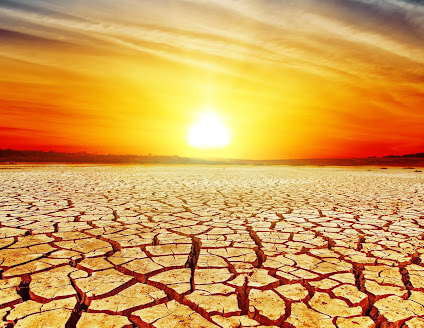
We all know that our planet Earth revolves around the sun. Our planet is very close to the sun, due to which there is a lot of heat on Earth, and this heat is increasing day by day.
It comes as no surprise to anyone that sweated through it:2023 was the hottest year in Human history.
 As we are seeing that this year 2024 will also be very hot, and it may continue to increase. Global warming is also increasing due to the heat on Earth. Large glaciers are melting, and the water level is rising in the oceans.

Now let’s talk about the reason for all this.

Let us first know about the Earth’s atmosphere~

The cover of air around us is known as the atmosphere. The atmosphere covers the Earth like a blanket.  Our atmosphere consists of various layers or zones above the ground. The composition of air and gases is different in each layer or zone.
These are the four layers or zones of the atmosphere. 

1. Troposphere [up to 8-16 km above the ground]
2. Stratosphere[upto 16-50 km above the ground]
3. Mesosphere[upto 50-100 km above the ground]
4. Thermometer[upto 100-500 km above theground]

The existence of life on this planet is only possible due to the presence of an atmosphere. There are many important roles played by the atmosphere on Earth, but we’ll discuss the role of the atmosphere in climate control.

Climate is the long-term pattern of weather in a particular area. This includes rainfall, temperature, snowfall, or any other weather condition. We usually define a region’s climate over a period of 30 years.
Temperature is the major factor that controls the climate on Earth. Our atmosphere maintains a life-supporting range of temperature. Because air is a bad conductor of heat, the atmosphere maintains an average steady temperature on the Earth.
The atmosphere forms a thick layer of gases over the Earth’s surface. Gases like Carbon dioxide allow heat of sunlight to enter the Earth’s atmosphere but do not allow their escape. This effect is known as the Greenhouse effect.
The excessive rise in temperature of the Earth during the day and the sudden fall in temperature at night are controlled by the atmosphere. During the day daytime it absorbs the heat of the sun and helps in reflecting of excessive heat. As a result, the average temperature of Earth remains satisfactorily steady during the day and night throughout the year.

The biggest reason for the increase in temperature, the melting of large glaciers, andthe  increase in water level of oceans is the thinning of the ozone layer.

The Ozone layer, or Ozone shield, is a region of  Earth’s Stratosphere.
The air contains oxygen mainly as a diatomic molecule(O2). But the upper layer of the atmosphere contains oxygen in the form of of triatomic molecule (O3).
Ozone is formed when harmful ultraviolet rays split the O2 molecule into O. This free oxygen atom is highly reactive and reacts with another O2 molecule and forms an Ozone (O3) molecule.
The Ozone forms a continuous layer in the upper atmosphere.  This layer absorbs harmful ultraviolet rays of sunlight and prevents them from reaching the Earth’s surface.
Due to an increase in air pollution, many human activities and the use of certain chemicals are depleting the Ozone layer is being depleting. The pollutants released into the air are one of the causes of the depletion of the ozone layer. Another major cause of depletion of the ozone layer is Chloro-Fluoro-Carbons[CFCs]. In some parts, small holes have been noted in this layer
The hole formation in the ozone layer can be very dangerous for us. The Ozone hole was first discovered in May 1985 over Antarctica.
In 2024, this hole still exists.  The annual Antarctic Ozone Hole reached an area of 26 Million Square kilometers in size, roughly three times the size of Brazil.
During the period 1956-1970, springtime ozone thickness above Antarctica varied from 280 to 325 Dobson units [1DU=1 PART PER MILLION]. The thickness was then reduced to 225 DU in 1979 and to 136 DU in 1985, and to 94 DU in 1994.
CFCs are synthetic chemicals that are used as coolants in refrigerators and air conditioners. These are also used in aerosols, in fire extinguishers, scent spray, and propellers, etc. When CFCs are sprayed into the air, they produce active Chlorine and Fluorine radicals in the ultraviolet radiation.
Through these reactions, this converts Ozone (O3) into Oxygen(O2), thereby destroying Ozone. As a result, the layer of Ozone keeps becoming thinner.
Ozone depletion is also caused due to substances such as Nitrogen Oxides, Halogens, Carbon Tetrachloride, Methyl Bromide, and many Hydrocarbons. Because of the Ozone layer hole, more ultraviolet radiation is able to reach the Earth. These radiations cause adverse effects on human beings, plants, and animals.

Some such effects are~

  • Skin cancer.
  • Reduced plant yield due to the death of seedlings.
  • Damage to the immune system.
  • Increased occurrence of harmful diseases i.e, Herpes.
  • Increased embryonic mortality rate.
  • Loss of sight in human beings and in animals.